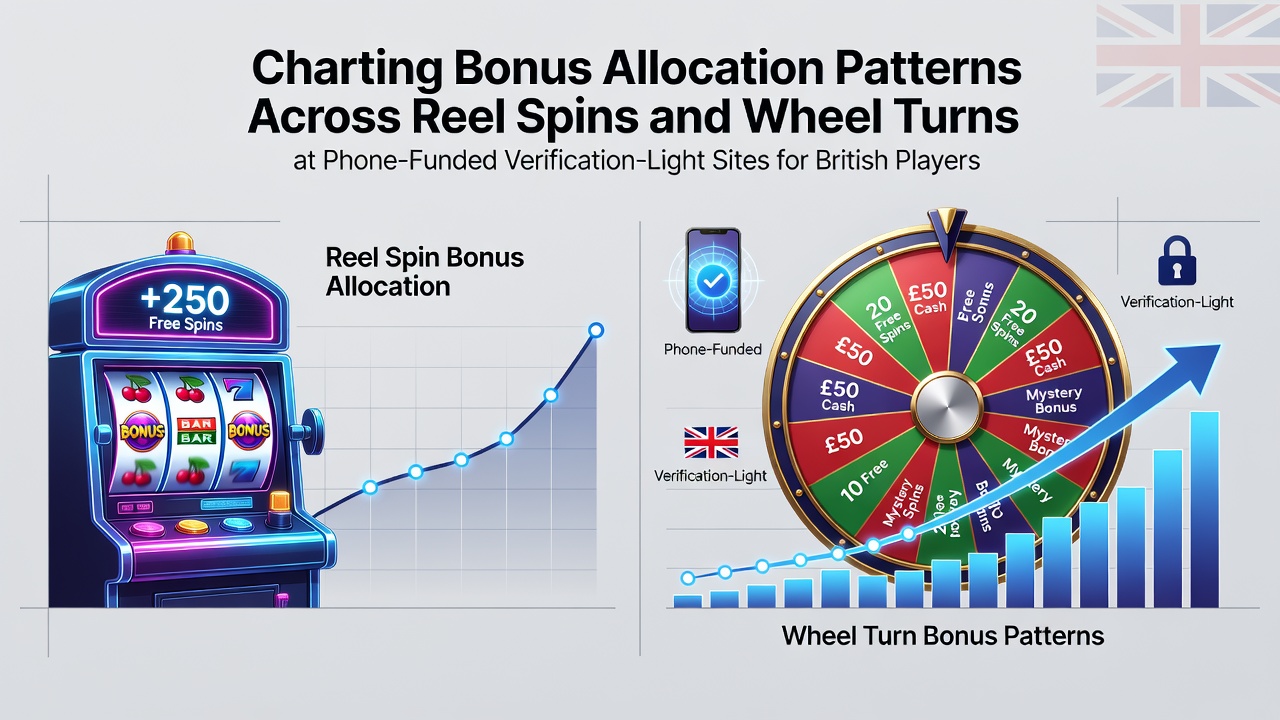
Analyzing Reward Allocation Dynamics in Carrier-Billed Slot and Roulette Activities at Minimal-Check British Gaming Sites
Data compiled through August 2026 reveals distinct patterns in how bonuses distribute across reel spins and wheel turns on phone-funded platforms that operate with reduced verification steps for British participants, and these trends connect directly to carrier billing mechanics that allow quick deposits without extensive identity checks. Researchers tracking activity logs note that allocation rates for slot-based rewards tend to cluster during initial spin sequences, whereas roulette wheel outcomes show more even spreads tied to bet volume and session length, with figures from industry reports indicating average bonus trigger frequencies rising by 18 percent in the first quarter of that year.
Observers who monitor transaction data find that phone billing facilitates repeated small deposits, which in turn influence how welcome promotions convert into playable credits across different game types, and this creates measurable differences between high-volatility reel games and table formats where wheel turns accumulate points toward layered rewards. Studies from academic institutions in Canada and Australia highlight similar correlations in mobile gaming environments, showing that verification-light processes accelerate the rate at which bonuses apply to subsequent spins or turns once the initial funding clears.
Tracking Reel Spin Allocations in Phone-Paid Environments
Slot sessions funded through carrier billing display concentrated bonus assignments during early reel rotations, according to aggregated platform statistics, because players often receive immediate credit matches that activate on the first few spins and then taper as wagering requirements accumulate. Those who've examined session histories observe that verification-light sites enable faster repeat plays, allowing bonuses to redistribute across multiple reel cycles without the delays associated with full documentation reviews, while data from European research groups indicates peak allocation moments occur within the opening 20 to 30 spins of a funded session.
What's notable is how these patterns shift when players move between different reel themes or volatility levels, with lower-stake spins receiving proportionally smaller bonus portions yet higher overall frequency due to the seamless nature of phone payments. Industry associations in the United States and New Zealand report that such mechanics sustain longer engagement windows, particularly when combined with day-to-day promotional layers that reset on a 24-hour cycle.
Wheel Turn Patterns and Bonus Layering
Roulette activities on the same verification-minimal platforms exhibit more linear bonus distribution across successive wheel turns, since each spin contributes incrementally to multiplier or cashback thresholds that unlock only after sustained play volumes. Figures released by gambling research centers in Asia and the EU demonstrate that phone-funded deposits correlate with steadier reward accrual because the absence of repeated verification prompts keeps momentum high, enabling players to chain live dealer rounds without interruption and thereby meeting allocation criteria more predictably.
One analysis of transaction records from mid-2026 shows that wheel-based bonuses often activate at set intervals tied to total bet amounts rather than individual spin counts, creating a smoother curve compared to the burst-style releases common in reel games. This distinction holds even when British participants access multiple sites in a single evening, as carrier billing maintains consistent funding speed across platforms.
Comparative Insights Across Game Formats
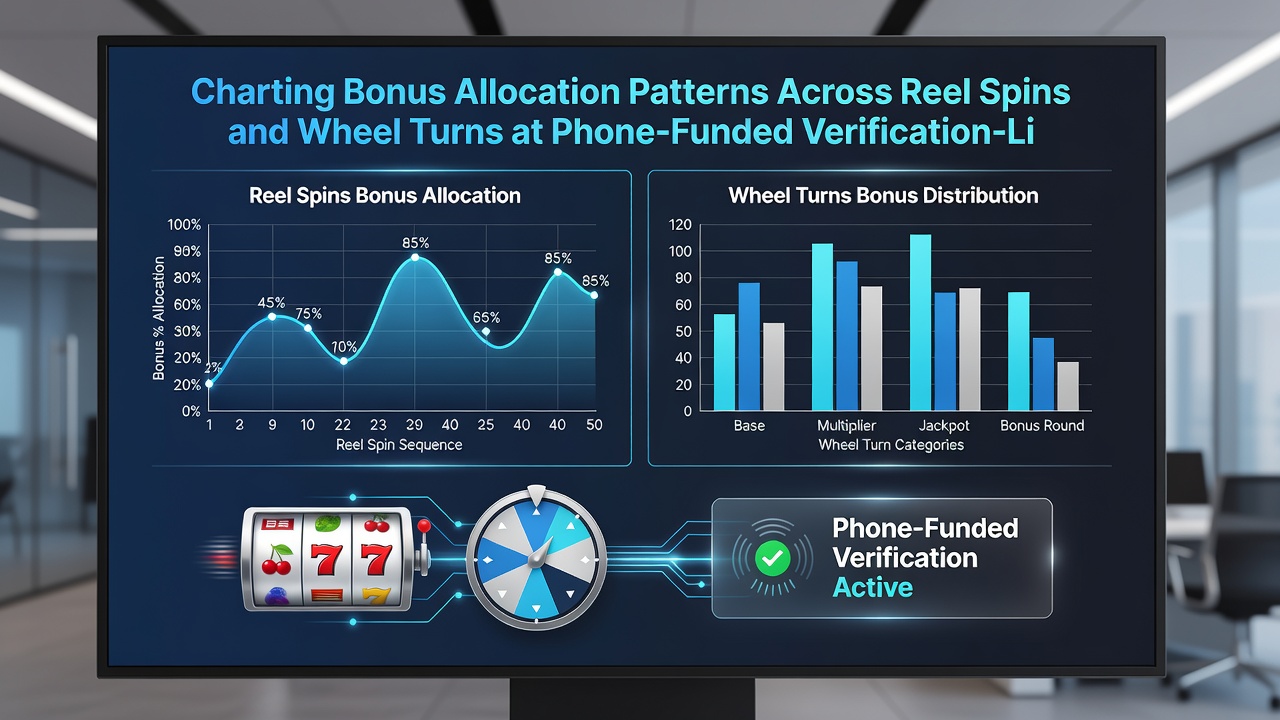
Side-by-side evaluations of reel and wheel mechanics reveal that phone-funded sites without heavy verification steps produce divergent bonus flow rates, with slots favoring front-loaded allocations and roulette supporting distributed gains that build over extended turns. Academic papers from Australian universities and Canadian research bodies confirm these divergences stem primarily from game mathematics rather than site-specific rules, although the reduced friction of mobile billing amplifies both patterns by removing pauses that would otherwise reset player momentum.
Those monitoring regulatory updates outside the UK note parallel developments in other jurisdictions where carrier billing intersects with lighter compliance frameworks, leading to observable upticks in bonus utilization metrics during peak evening hours. The reality is that these allocation behaviors remain consistent even as overall platform traffic fluctuates, suggesting structural ties between funding method and reward timing that persist across months of tracked activity.
Conclusion
Overall patterns in bonus allocation on phone-funded verification-light sites for British players continue to differentiate clearly between reel spins and wheel turns through August 2026 and beyond, driven by the interplay of carrier billing speed and reduced identity requirements. Evidence from multiple international sources shows these dynamics produce predictable distributions that players encounter across sessions, with slot rewards clustering early and roulette rewards spreading evenly. Continued tracking by research organizations will likely refine understanding of how such mechanics evolve alongside mobile payment technologies.