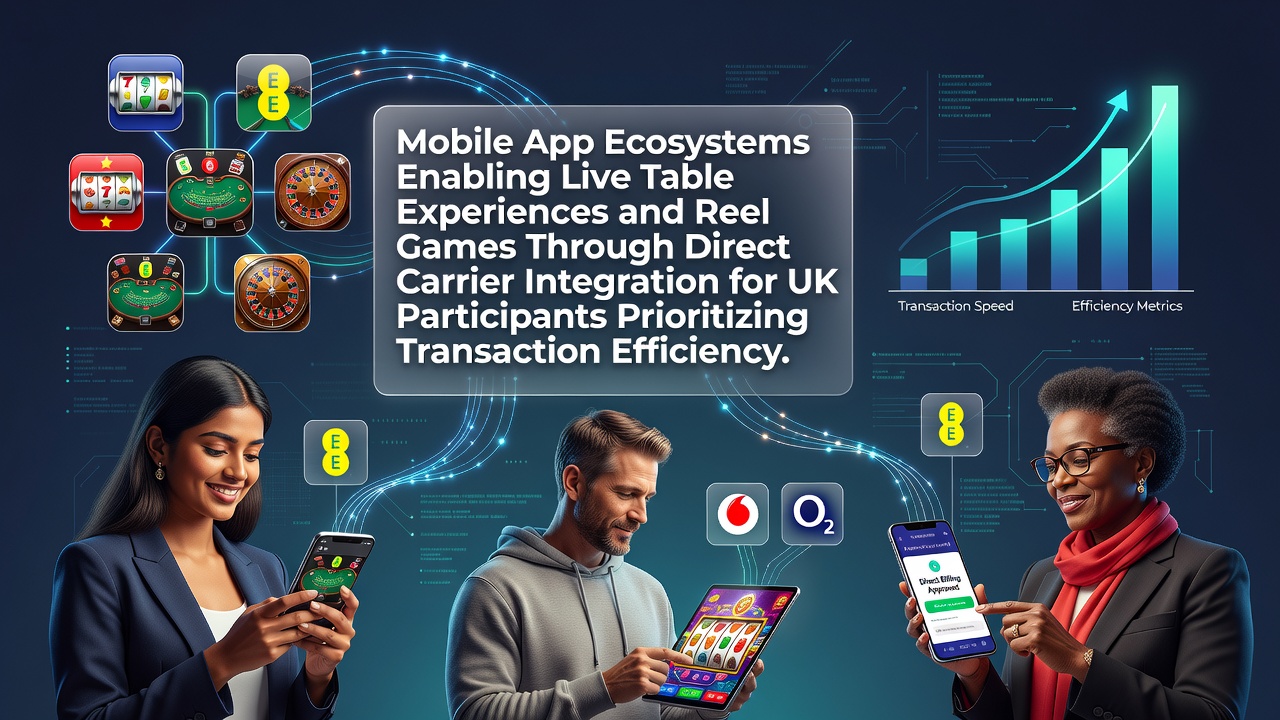
Carrier Integration Reshapes Mobile Gaming Platforms for UK Users Seeking Live Tables and Reel Games
Direct carrier integration has become a central feature in mobile app ecosystems that deliver live table experiences alongside reel games to UK participants, and it places transaction efficiency at the forefront of platform design. These systems connect app functionality straight to mobile network billing services so users complete deposits and withdrawals without traditional payment intermediaries. As of July 2026 data from industry tracking shows continued expansion of such integrations across major UK networks including EE, Vodafone and O2.
Core Mechanics of Carrier Billing in Gaming Apps
App developers embed APIs from carriers into their platforms which allows charges to appear directly on monthly mobile statements, and this setup eliminates the need for card entry during each session. Observers note that transaction times drop significantly because verification happens through the existing carrier-user relationship rather than separate financial processors. Research from the GSMA indicates mobile billing volumes in entertainment sectors grew steadily through 2025 with gaming representing a substantial portion of that activity.
Platforms using these connections route payments through secure channels that comply with network security standards while maintaining session continuity for live dealer interactions or reel spins. Those who've examined transaction logs find that failed payments decrease when carrier systems handle authorization since account balances and credit limits are checked in real time against the user's mobile plan.
Live Table Experiences Powered by Seamless Integration
Live table environments rely on low-latency connections and uninterrupted funding to keep dealer interactions flowing, and carrier billing supports this by enabling instant top-ups during ongoing rounds. Participants access roulette wheels, blackjack tables and poker rooms through apps that detect carrier networks automatically and present billing as the default option. Studies from academic institutions in Australia have documented how payment friction reduction correlates with longer session durations in real-time gaming formats.
One case examined by researchers involved a UK-based app that integrated multiple carrier options and recorded a measurable uptick in table game participation during peak evening hours. Data shows these integrations handle variable bet sizes without requiring additional authentication steps which keeps the pace of play consistent with physical casino standards.
Reel Game Features and App Ecosystem Growth
Reel games benefit equally from carrier integration because frequent small transactions become practical without accumulating processing fees or delays. Players move between themed slot titles while maintaining account balances through background billing updates and the system supports progressive jackpots that require continuous play without funding interruptions. Industry reports from Canadian research groups highlight similar patterns where mobile billing adoption lifted reel game engagement metrics across comparable markets.
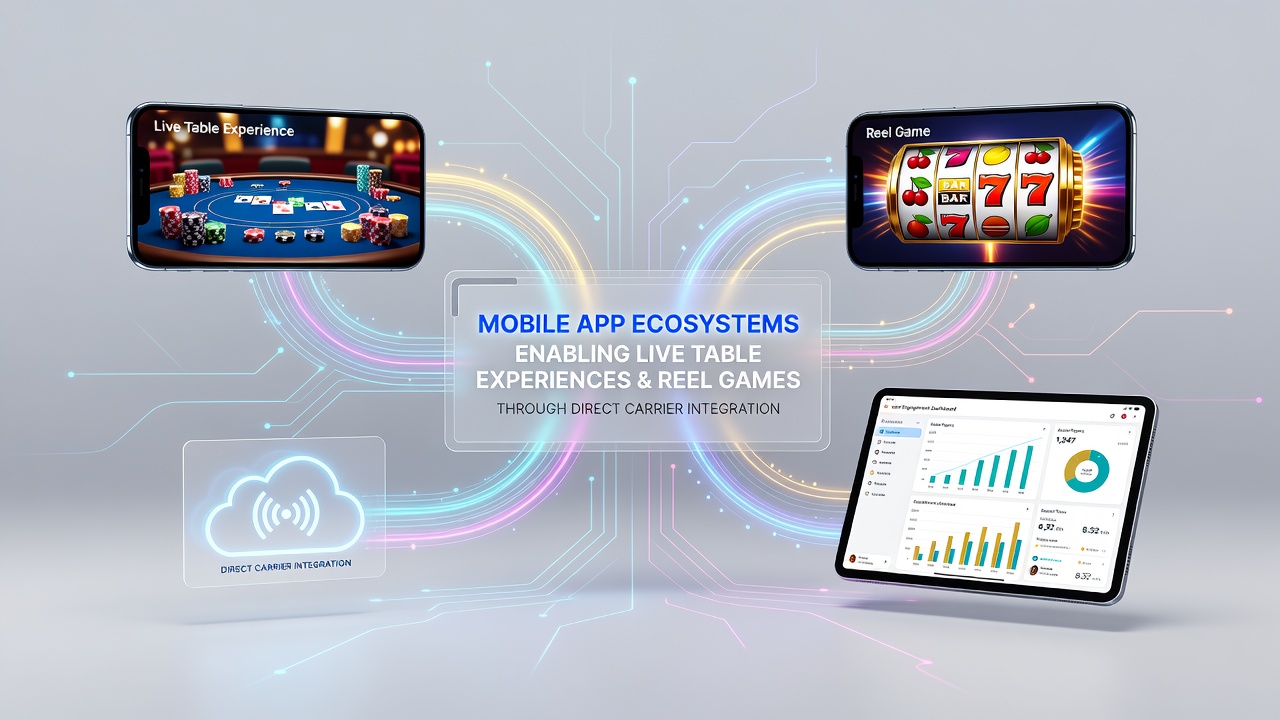
App ecosystems now bundle reel collections with live table sections under unified interfaces that recognize carrier preferences at login. Those monitoring platform analytics observe that users switch between game types more fluidly when payment methods remain constant across categories. The architecture supports push notifications for bonus reel features funded instantly via the same carrier channel.
Transaction Efficiency Gains for UK Participants
Efficiency metrics improve when carrier integration removes multiple authentication layers and settlement occurs within the carrier's billing cycle rather than through external gateways. UK participants experience reduced wait times for both deposits and cashouts since reconciliation happens at the network level. Figures from the Mobile Marketing Association reveal that billing-integrated apps achieve higher completion rates on first-attempt transactions compared with card-based alternatives.
Security protocols embedded in these systems encrypt billing requests at the device level before transmission to carrier servers and audit trails remain accessible for dispute resolution. Observers note that this approach aligns with broader mobile payment trends that prioritize speed while maintaining regulatory compliance across European jurisdictions.
Platform Adaptations and Network Partnerships
Developers form direct partnerships with carriers to embed billing modules during app updates and these collaborations ensure compatibility across device operating systems. As of July 2026 several platforms announced expanded support for 5G-enabled billing that further shortens authorization windows during live sessions. Experts have observed that such partnerships also facilitate regional customization for UK-specific data handling requirements without altering core game mechanics.
Users gain access to combined loyalty programs where carrier billing activity feeds into reward points redeemable across live tables and reel libraries alike. The structure creates closed-loop ecosystems where transaction data informs personalized game recommendations while preserving participant privacy through aggregated analytics.
Conclusion
Carrier integration continues to define how mobile ecosystems deliver live table experiences and reel games to UK participants with transaction efficiency as a primary design driver. Network partnerships, API implementations and real-time settlement processes combine to create environments where funding steps no longer interrupt gameplay flow. Data from multiple regions confirms sustained adoption rates through mid-2026 as platforms refine these connections for broader device compatibility and faster processing cycles.