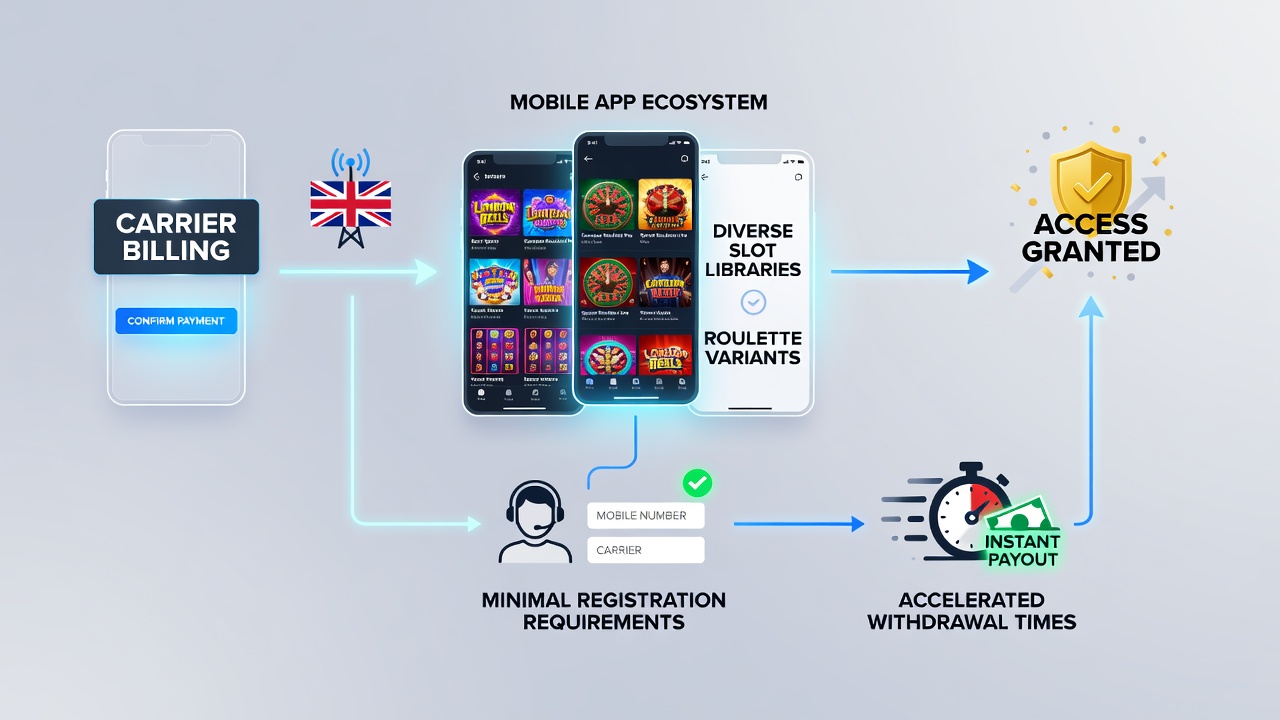
Charting Carrier Billing Pathways in British Mobile Gaming Applications for Slot Collections and Roulette Formats
Understanding Carrier Billing Integration
British players access slot libraries and roulette variants through mobile applications that incorporate carrier billing as a direct payment method tied to mobile phone accounts, and this approach connects users to game providers while routing transactions via telecommunications networks. Data from industry reports indicate that carrier billing reduces separate payment setup steps since charges appear on monthly phone bills or prepaid balances, and developers implement this system by partnering with mobile operators to handle authorization in real time.
Applications often maintain libraries containing hundreds of slot titles alongside multiple roulette formats including European, American, and live dealer options, while users select games after completing basic account creation that relies on phone number verification rather than extensive document uploads in many cases. Research from academic centers shows adoption rates rising as operators refine these connections, and figures from a 2025 analysis by the University of Nevada Gaming Research Center reveal increased usage among mobile-first demographics.
Streamlined Registration and Access Patterns
Registration processes in these applications typically require only a phone number and basic profile details before granting entry to game selections, and this structure allows players to begin sessions quickly once carrier billing activates the account. Observers note that mobile operators perform initial identity checks through existing subscriber records, which in turn supports compliance with age restrictions without additional layers for every transaction.
By August 2026, updates to digital payment frameworks across Europe had encouraged further standardization of these methods, enabling consistent experiences across different network providers. Players encounter diverse slot mechanics such as progressive jackpots and themed reels alongside roulette variants that feature varying table limits and bonus rounds, and the carrier billing layer processes deposits instantly to maintain session flow without redirecting to external banking portals.
Technical Flow of Transactions and Payout Acceleration
Carrier billing operates through API connections between application servers, game aggregators, and telecom billing systems, which authorize charges and confirm availability of funds before crediting virtual balances. When withdrawals occur, certain platforms route returns back through the same carrier channel or linked methods, resulting in processing times measured in hours rather than days according to transaction logs shared in sector briefings.
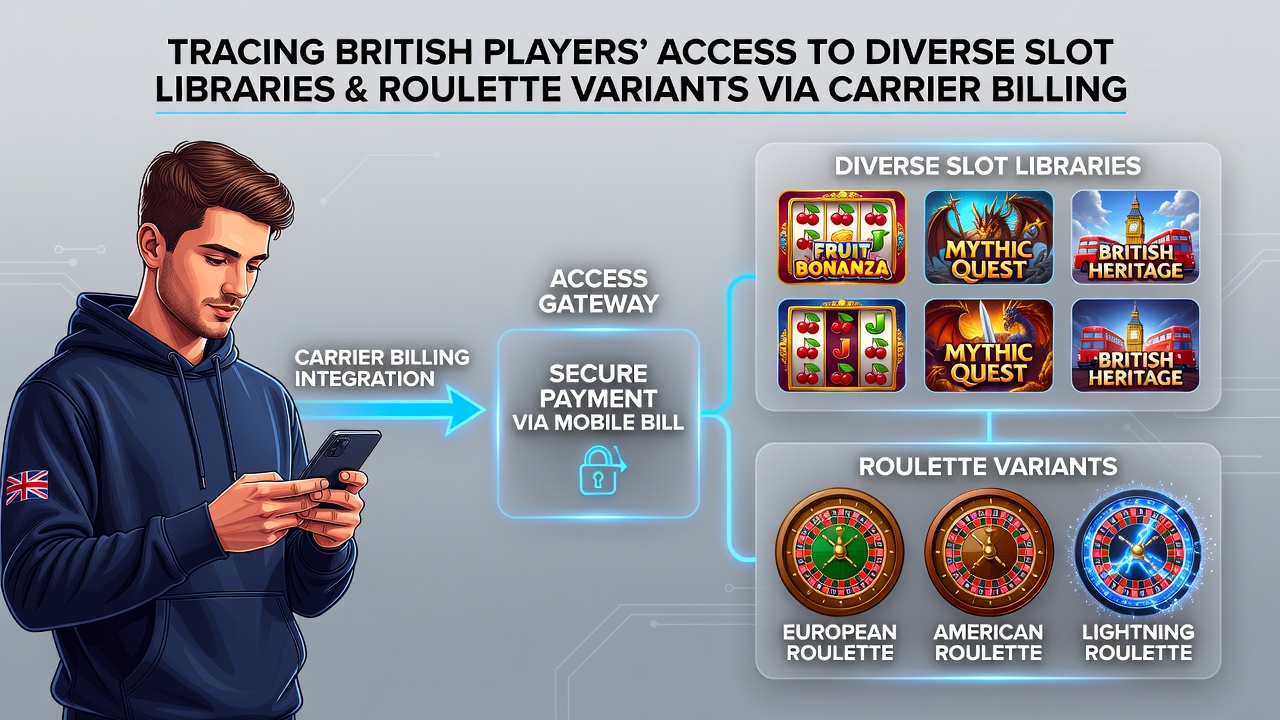
Those who track payment trends point to examples where integration with major UK networks allows seamless movement between deposit and withdrawal stages, and this reduces friction for users maintaining active sessions. Reports compiled by the Canadian Gaming Association highlight parallel developments in mobile billing efficiency that mirror patterns observed in British markets, showing average completion rates for same-day requests exceeding prior benchmarks.
Library Diversity and Player Navigation Trends
Slot collections in carrier-billed applications frequently update with new releases from established studios, incorporating features like cascading reels and multiplier systems, while roulette sections provide options for single-player simulations and multi-player live tables streamed in high definition. Navigation tools within the apps categorize games by volatility, theme, or provider, allowing quick filtering that aligns with individual preferences tracked through play history.
Industry organizations such as the European Gaming and Betting Association document how these platforms maintain compliance through operator-level licensing, and usage statistics indicate steady engagement levels across age-verified user bases. The combination of minimal onboarding steps and varied content libraries supports extended play periods, whereas payout mechanisms tied to carrier systems contribute to repeat access patterns without repeated verification cycles.
Regulatory Context and Market Observations
Frameworks governing mobile payments in the United Kingdom emphasize consumer protections that apply to carrier billing services, requiring transparency in charge descriptions and opt-out provisions for users. External analyses from bodies like the Australian Communications and Media Authority track similar billing practices in international markets, providing comparative data on adoption speeds and dispute resolution rates.
Applications continue to evolve interfaces that display available slot and roulette options alongside billing summaries, and this transparency aids players in monitoring spending directly from their devices. Data compiled through 2026 shows sustained interest in these methods among British users seeking consolidated transaction handling across entertainment platforms.
Conclusion
Carrier billing continues to serve as a functional bridge between British players and mobile applications offering extensive slot libraries alongside varied roulette formats, with registration flows centered on phone verification and transaction speeds supported by direct network integration. Evidence from multiple research channels demonstrates measurable uptake in these systems, while technical and regulatory elements shape how access and financial movements occur within established boundaries. Patterns observed through August 2026 reflect ongoing refinements in payment connectivity that align with broader digital commerce developments.