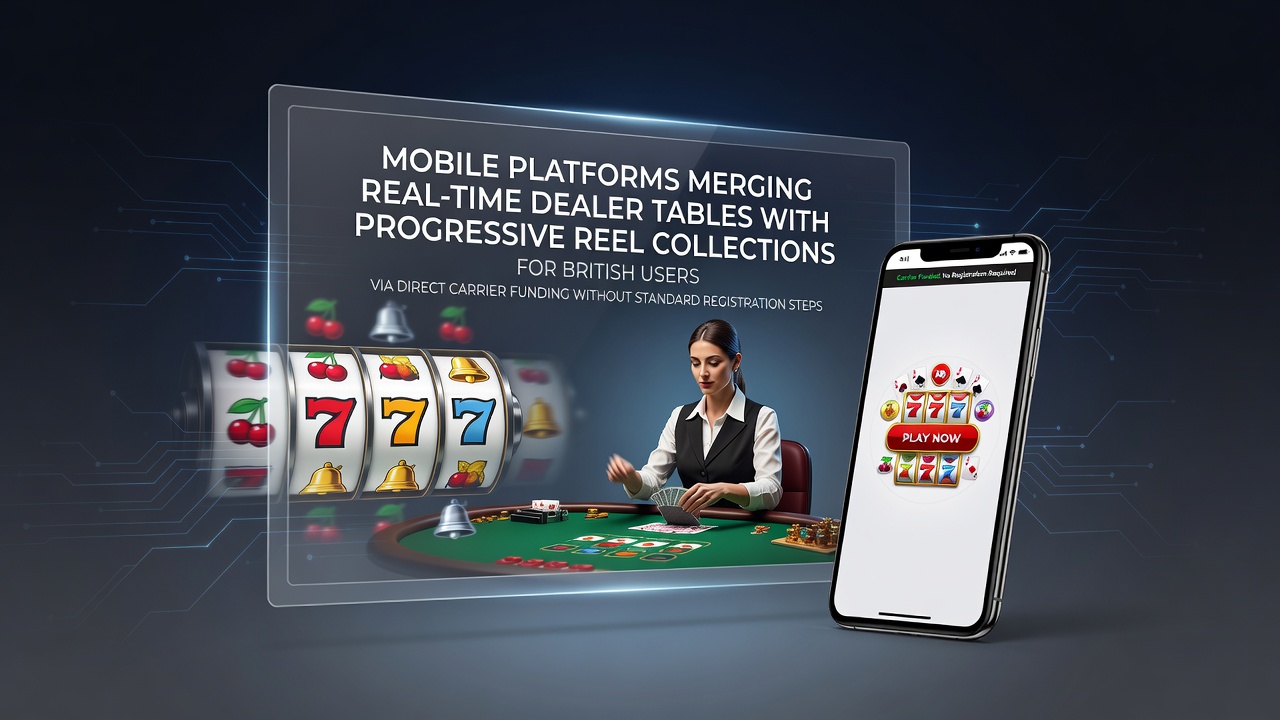
Integrated Mobile Experiences: Real-Time Dealer Interactions and Progressive Slot Systems for UK Audiences Through Carrier-Based Transactions
Platforms have begun combining live dealer tables with collections of progressive reel games in single mobile interfaces designed for British users, and these setups route payments directly through carrier billing systems that bypass conventional account creation processes. Industry observers note that such integrations allow simultaneous access to table games and accumulating jackpot reels while funding occurs via mobile network charges added to existing phone bills.
Platform Architecture and Feature Combinations
Developers structure these environments so that real-time video feeds from dealer tables sit alongside reel displays where progressive meters increase across linked machines, and users switch between formats without leaving the application. Data from July 2026 shows several providers expanded these combined offerings to accommodate higher volumes of concurrent sessions, with backend systems managing both live streams and reel algorithms through unified servers. Carrier billing handles the transfer of funds in small increments that appear on monthly statements, eliminating separate payment gateways or stored card details.
Technical Requirements for Seamless Operation
Networks must maintain low latency for video dealer interactions while processing reel spins and jackpot updates in real time, and compatibility checks ensure British mobile devices running recent operating systems connect without additional software downloads. Research from the University of Las Vegas International Gaming Institute indicates that carrier-integrated systems reduce transaction times compared to traditional methods because authentication relies on existing phone line verification rather than new identity uploads. Those who have examined the infrastructure point out that progressive reel collections draw from pooled contributions across multiple titles, creating shared prize pools that update continuously during live table play.
User Access Patterns Among British Audiences
British users reach these merged platforms through standard app stores or direct mobile links, and once inside the environment they select either dealer tables or progressive reels without completing registration forms that request personal documents. Carrier funding activates immediately upon game selection, with charges applied per spin or per round and totals reflected on the next phone bill cycle. Figures released by the Victorian Commission for Gambling and Liquor Regulation in Australia reveal similar billing models in other jurisdictions have increased session lengths because payment friction decreases, allowing extended play across both table and reel formats.

Observers note that the absence of standard registration steps shifts verification responsibilities to the carrier network itself, which already holds subscriber data for billing purposes. This arrangement supports quick transitions between a live roulette table and a progressive slot collection because account balances update automatically through the same carrier channel. Reports compiled in July 2026 document rising adoption rates among users who prefer single-session access without repeated login procedures across different game types.
Regulatory Context and Compliance Considerations
Operators must align these carrier-funded systems with existing gambling regulations in the United Kingdom, including age verification protocols that carriers sometimes manage through their own customer records. External audits examine how progressive reel contributions are tracked separately from live table stakes to ensure accurate prize distribution and tax reporting. Industry groups such as the European Gaming and Betting Association have published guidelines on integrating payment methods that maintain transparency while reducing user onboarding steps, and these documents emphasize clear disclosure of carrier charges before gameplay begins.
Payment Flow and Settlement Mechanics
When a British user initiates a round at a dealer table or spins a progressive reel, the platform sends a charge request to the mobile carrier, which then deducts the amount and forwards settlement to the operator within agreed timeframes. This process supports micro-transactions common in reel collections and per-hand bets at live tables without requiring users to maintain separate wallets. Data compiled by Canadian regulatory bodies shows that carrier billing reduces chargeback rates because disputes route through established phone service agreements rather than new financial instruments.
Future Developments in Merged Mobile Gaming
Providers continue refining the synchronization between live dealer streams and progressive meter displays so that jackpot growth appears instantly on screen during table sessions. Additional features under testing include shared loyalty metrics that accumulate across both game categories through the same carrier-linked profile. As of July 2026, several networks reported expanded coverage for these services across major British carriers, with updated APIs allowing faster reconciliation of reel contributions and table results. Observers expect further consolidation of these elements into unified dashboards that present real-time dealer action next to accumulating progressive totals without additional navigation layers.
Conclusion
Mobile platforms that merge real-time dealer tables with progressive reel collections through direct carrier funding have established operational models that remove conventional registration requirements for British users. The combination relies on existing network billing infrastructure, unified game servers, and regulatory frameworks that address both payment transparency and game integrity. Continued technical improvements scheduled beyond July 2026 aim to enhance cross-format functionality while maintaining compliance with applicable standards across jurisdictions.