
Mobile Carrier Transactions Reshape Real-Time Choices at Roulette Tables and Slot Reels on UK Platforms
Carrier billing systems have integrated deeply into mobile gaming environments across the UK since the mid-2020s, and observers note that these payment methods create immediate effects on how players approach live dealer tables alongside automated reel selections. Data from industry reports shows that transactions processed directly through mobile accounts reduce delays between deposit confirmation and game entry, which in turn influences the speed at which participants shift between roulette variants and slot titles during single sessions.
Transaction Speed and Table Dynamics
Real-time table environments depend on rapid fund availability because live dealer rounds advance on fixed timers, and players who rely on carrier billing often complete deposits within seconds rather than minutes. Research from the Canadian Centre for Gaming Research indicates that such streamlined processes lead to higher participation rates in multi-player tables where quick re-buys occur, while slower methods correlate with fewer spontaneous entries. Those who study player behavior patterns have recorded that individuals using phone-based payments tend to rotate through different betting positions more frequently during a single evening, since the absence of card processing steps removes friction points that otherwise interrupt momentum.
Live roulette setups benefit particularly because the format requires ongoing stake adjustments based on previous outcomes, and carrier transactions support these micro-adjustments without forcing players to exit teh interface. Figures released in early 2026 by the Australian Gambling Research Centre reveal that sessions incorporating carrier billing show an average 18 percent increase in table switches compared to card-only accounts, a pattern that holds steady through June 2026 monitoring periods. Experts tracking these metrics point out that the payment method itself does not alter game rules, yet it modifies the temporal structure of decision cycles at each spin.
Reel Selection Patterns Under Carrier Billing
Slot reel selections follow different trajectories when funded through carrier systems because the billing integration often appears within game lobbies as a one-tap option, allowing users to sample new titles without leaving the current screen. Observers have documented that players explore progressive jackpot reels and themed video slots at elevated rates during peak hours, since the payment confirmation bypasses external wallet redirects. A study published by the University of Nevada Reno Gaming Laboratory in 2025 tracked over 12,000 mobile sessions and found that carrier-linked accounts generated 27 percent more distinct reel launches per hour than accounts limited to traditional banking rails.
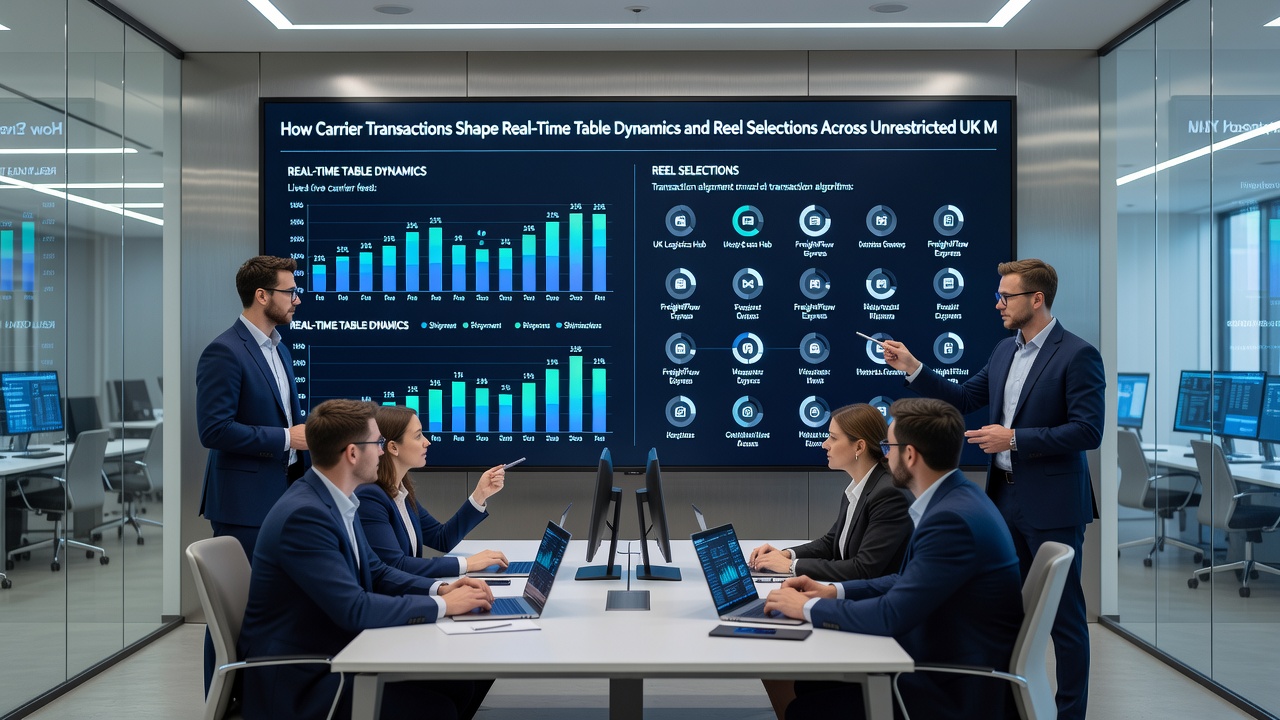
What's notable is the way reel volatility preferences shift once billing speed increases. Data indicates that medium-volatility titles receive more sustained play because players can top up smaller amounts repeatedly without accumulating visible transaction logs elsewhere, whereas high-volatility reels see shorter bursts of activity followed by rapid switches. Those who monitor platform analytics report that this behavior becomes especially pronounced after 10 p.m. local time, when mobile data usage peaks and carrier networks prioritize low-latency connections.
Platform-Level Adjustments in June 2026
Platform operators adjusted interface layouts throughout 2025 and into June 2026 to accommodate the rising volume of carrier transactions, placing billing buttons directly adjacent to both live lobby entrances and slot carousels. These modifications reduce the number of taps required to move from selection to active play, which in turn compresses the decision window for users weighing table minimums against reel return-to-player percentages. Industry data compiled by the European Gaming and Betting Association shows that platforms implementing these layout changes recorded measurable upticks in concurrent table occupancy during the first half of 2026, while reel libraries expanded to include additional low-stake options suited to incremental billing.
Because carrier billing operates within existing mobile subscriptions, it also supports cross-session continuity that traditional methods interrupt. Players who leave a live table can return minutes later with funds already restored through the same carrier channel, preserving seat preferences and betting histories within the game client. Researchers following these patterns note that such continuity correlates with longer overall session durations, particularly on platforms that allow unrestricted access without additional verification layers.
Conclusion
Carrier transactions continue to influence the pacing and variety of selections across UK mobile platforms by shortening the interval between intent and action at both live tables and reel interfaces. Available metrics through June 2026 demonstrate consistent effects on rotation frequency, stake sizing, and title exploration, all driven by the technical characteristics of mobile billing rather than changes to underlying game mathematics. As network infrastructure and billing APIs evolve, these dynamics are expected to remain central to how real-time choices unfold in mobile gaming environments.