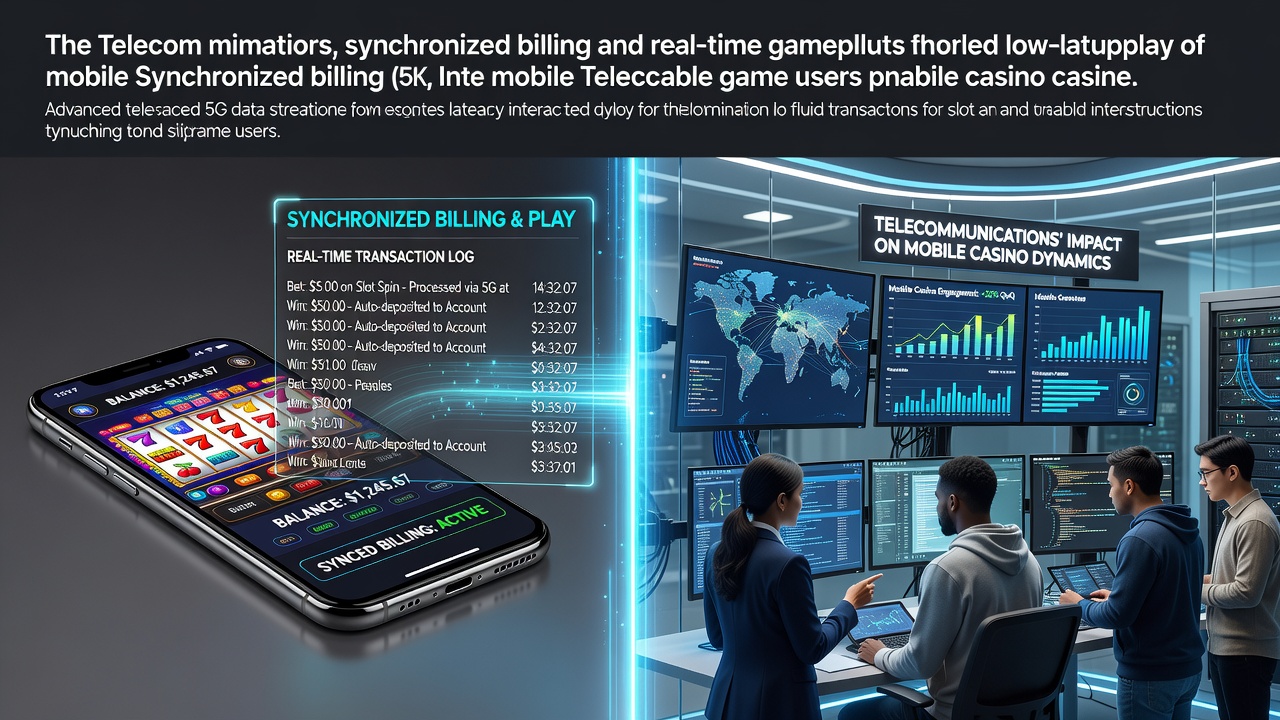
Synchronized Billing and Play: Telecommunications' Impact on Mobile Casino Dynamics for Slot and Table Game Users
Telecommunications networks now integrate billing systems directly with mobile casino platforms, creating synchronized experiences where deposits and gameplay occur without traditional payment delays. This integration relies on carrier billing protocols that authorize transactions through existing phone accounts, which reduces friction for users accessing slot machines and table games on smartphones.
Core Mechanisms of Carrier Integration
Mobile operators embed API connections that link user accounts to casino servers, allowing real-time charge approvals during active sessions. Data from network providers shows these connections handle thousands of micro-transactions per minute while maintaining session continuity for both reel-based slots and live dealer tables. Users select carrier billing at checkout, and the telecom infrastructure confirms eligibility before gameplay resumes without page reloads or additional authentication layers.
Effects on Slot Machine Performance
Slot sessions benefit when billing syncs with game servers because spin requests process alongside payment confirmations in a single data stream. Research from the GSMA indicates that such synchronization cuts average transaction times by up to 40 percent in markets where mobile penetration exceeds 80 percent, enabling longer continuous play periods. Progressive jackpot slots, which require constant server communication, maintain stable connections when telecom billing modules share the same low-latency pathways as game logic engines.
Table Game Dynamics Under Telecom Influence
Live dealer roulette and blackjack tables experience different pressures because they depend on video streams and real-time betting interfaces. When carrier billing activates mid-round, teh system must preserve video feed quality while processing wagers, and network operators achieve this through prioritized data routing that treats casino traffic similarly to voice calls. Observers note that table game interfaces display updated balances within two seconds of a carrier-approved charge, which supports rapid decision cycles typical of these formats.
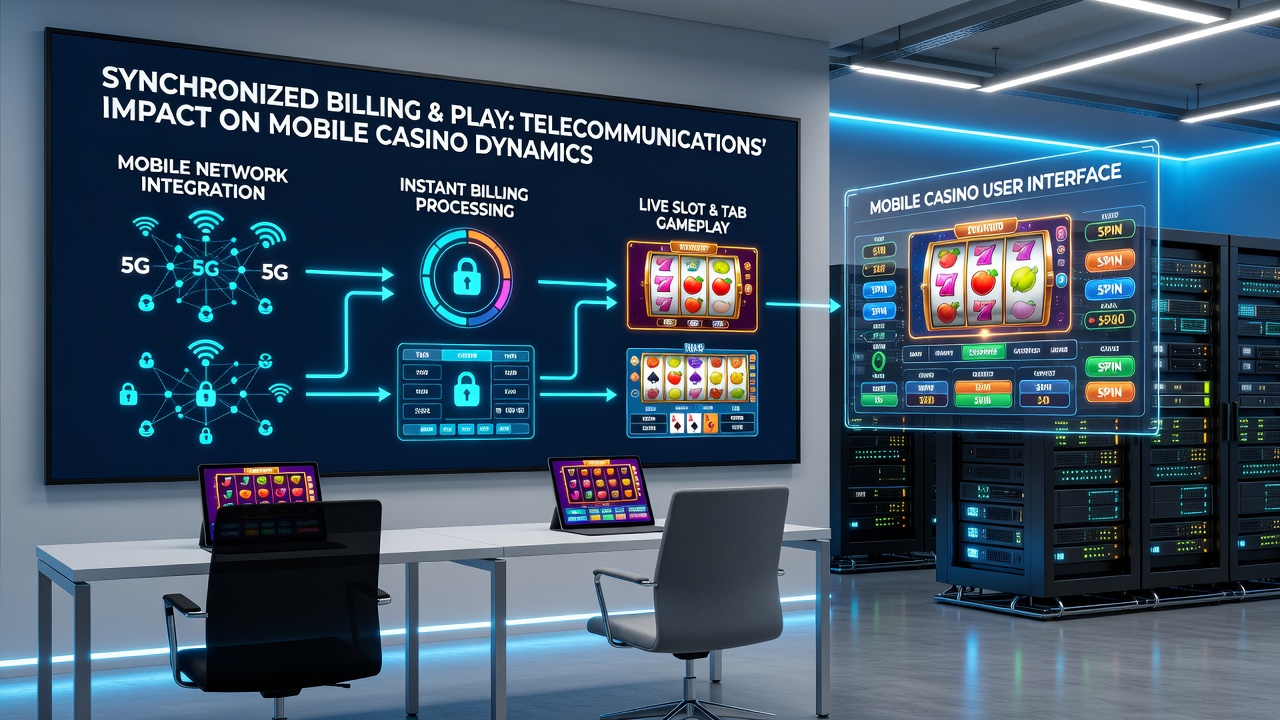
Studies conducted at telecommunications research centers in Singapore have examined how 5G slices dedicated to entertainment services further stabilize these interactions. Synchronized billing reduces dropped bets during peak hours because authorization occurs locally on the carrier network rather than through external payment gateways that introduce variable delays.
Regional Infrastructure Variations
European regulators outside the UK have documented similar patterns, with data released by the Body of European Regulators for Electronic Communications showing increased adoption of direct carrier payments in mobile gaming across multiple member states by early 2025. In Australia, the Australian Communications and Media Authority reported that carrier billing accounted for a measurable share of digital entertainment transactions, including casino-style applications, during the same period. These figures reveal consistent infrastructure upgrades that support higher volumes without compromising game responsiveness.
Developments Expected in June 2026
Network operators plan additional spectrum allocations for entertainment traffic that will coincide with software updates from major casino platform providers. The changes scheduled for June 2026 include expanded support for multi-carrier roaming, allowing users to maintain billing synchronization when crossing regional boundaries during active sessions. Industry reports project that these enhancements will particularly affect table game users who require uninterrupted video links alongside seamless fund transfers.
Security and Compliance Layers
Telecom companies apply encryption standards at the billing interface that align with casino regulatory requirements in various jurisdictions. Fraud detection algorithms monitor transaction patterns in real time, flagging anomalies before they affect either slot reels or table outcomes. Data indicates these combined systems have lowered dispute rates compared with earlier card-based methods, because carrier records provide clear audit trails for both users and operators.
Conclusion
Synchronized billing through telecommunications networks continues to reshape how slot and table game users interact with mobile casinos by embedding payment processes into the core gameplay loop. Infrastructure improvements scheduled through 2026 will likely extend these capabilities to additional regions and device types while preserving the stability already observed in current deployments.