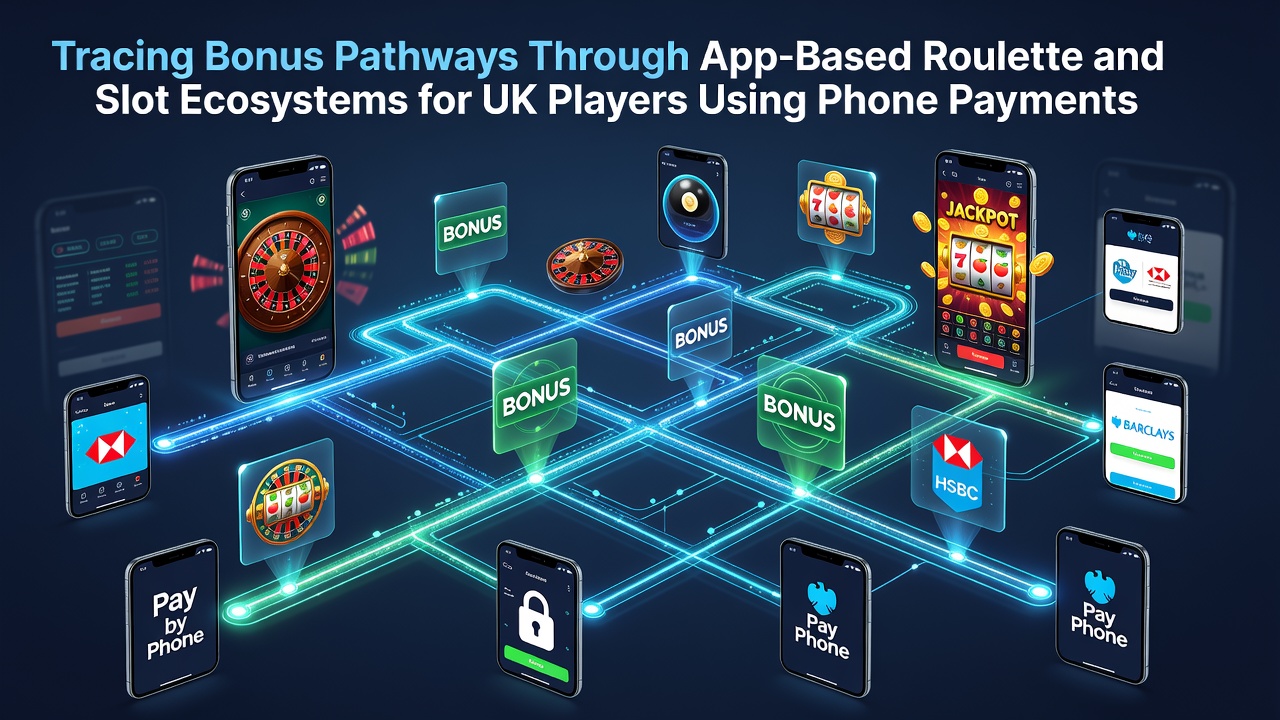
Tracing Incentive Networks in Mobile Roulette and Slot Applications for UK Players via Phone Billing Systems
UK players engage with app-based roulette and slot platforms that incorporate phone payments to facilitate deposits, and these systems create distinct pathways for bonus allocation. Carrier billing integrates directly with mobile applications, allowing funds to transfer from phone accounts to gaming wallets without traditional banking intermediaries. Research from the Australian Institute of Criminology indicates that carrier billing transactions in digital gaming environments increased by 18 percent between 2024 and 2026, reflecting broader adoption across regions including the UK. Bonus pathways begin when a player completes a phone payment deposit, which the platform registers as a qualifying transaction. Many applications then apply automated credit mechanisms that assign matching funds or free spins to the user account within seconds. Observers note that roulette tables often carry higher wagering multipliers compared to slot selections because table games contribute less toward requirement fulfillment according to standard platform rules.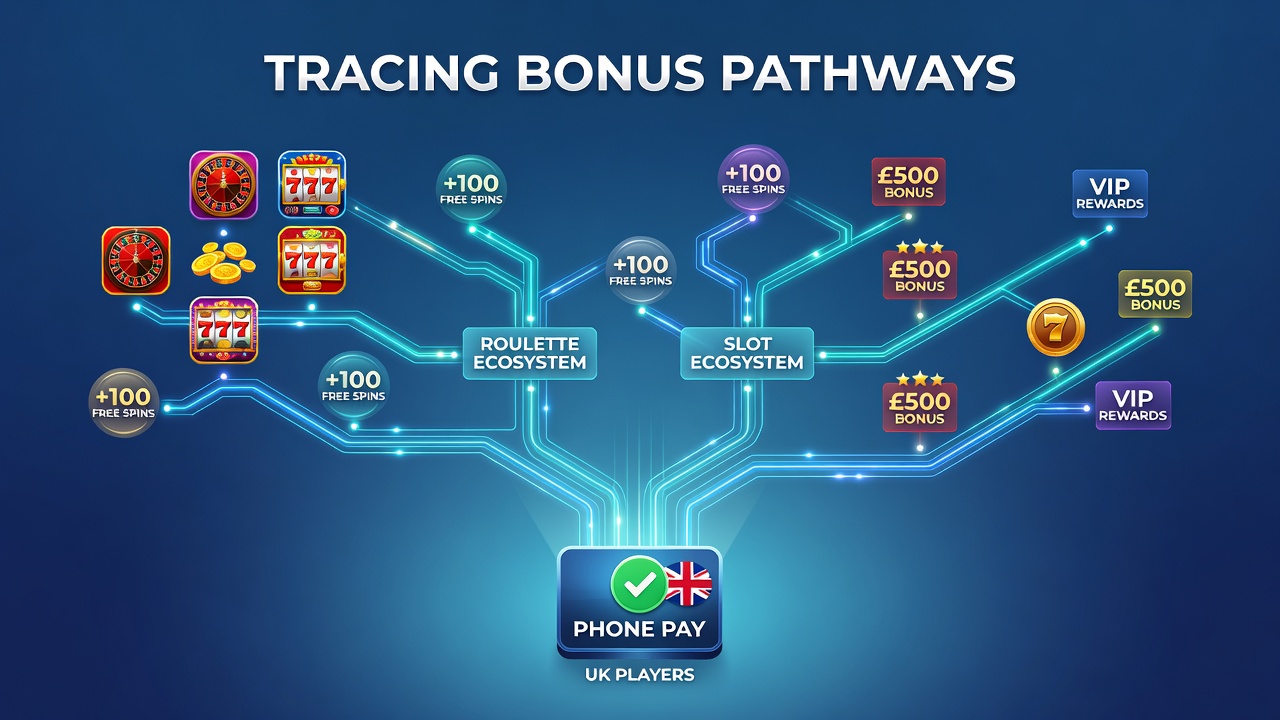
UK players engage with app-based roulette and slot platforms that incorporate phone payments to facilitate deposits, and these systems create distinct pathways for bonus allocation. Carrier billing integrates directly with mobile applications, allowing funds to transfer from phone accounts to gaming wallets without traditional banking intermediaries. Research from the Australian Institute of Criminology indicates that carrier billing transactions in digital gaming environments increased by 18 percent between 2024 and 2026, reflecting broader adoption across regions including the UK. Bonus pathways begin when a player completes a phone payment deposit, which the platform registers as a qualifying transaction. Many applications then apply automated credit mechanisms that assign matching funds or free spins to the user account within seconds. Observers note that roulette tables often carry higher wagering multipliers compared to slot selections because table games contribute less toward requirement fulfillment according to standard platform rules.Deposit Triggers and Initial Credit Allocation
Phone payment systems generate unique transaction identifiers that link directly to bonus engines within the app ecosystem. Data from the Canadian Centre on Substance Use and Addiction shows that seamless deposit methods such as carrier billing reduce transaction abandonment rates by approximately 27 percent in mobile gambling contexts. Once the payment clears, platforms evaluate the deposit amount against predefined bonus tiers and apply credits accordingly. Those who've studied these systems report that welcome bonuses frequently split across multiple deposit stages, with the first phone payment unlocking an initial package while subsequent deposits activate layered rewards. Slot ecosystems tend to release free spin bonuses faster than roulette counterparts because automated reel systems process eligibility checks through simpler algorithms. Roulette applications require manual table selection before bonus funds activate in many cases, which extends the time between deposit and play.Wagering Pathways Across Game Types
Bonus funds travel through distinct contribution rates depending on whether players select roulette or slots. Slots typically contribute 100 percent toward wagering requirements while roulette bets contribute between 10 and 20 percent in most documented structures. This differential creates traceable patterns where players must accumulate higher volumes on table games to clear bonuses fully. Studies conducted by the University of Nevada, Reno Gaming Research Center demonstrate that mixed-game play extends average clearance times by 40 percent compared to slot-only approaches. Players who combine live dealer roulette sessions with slot marathons therefore encounter more complex tracking interfaces that display real-time progress across both categories. Phone billing records remain visible in transaction histories, providing users with clear audit trails that map each deposit to its corresponding bonus segment.