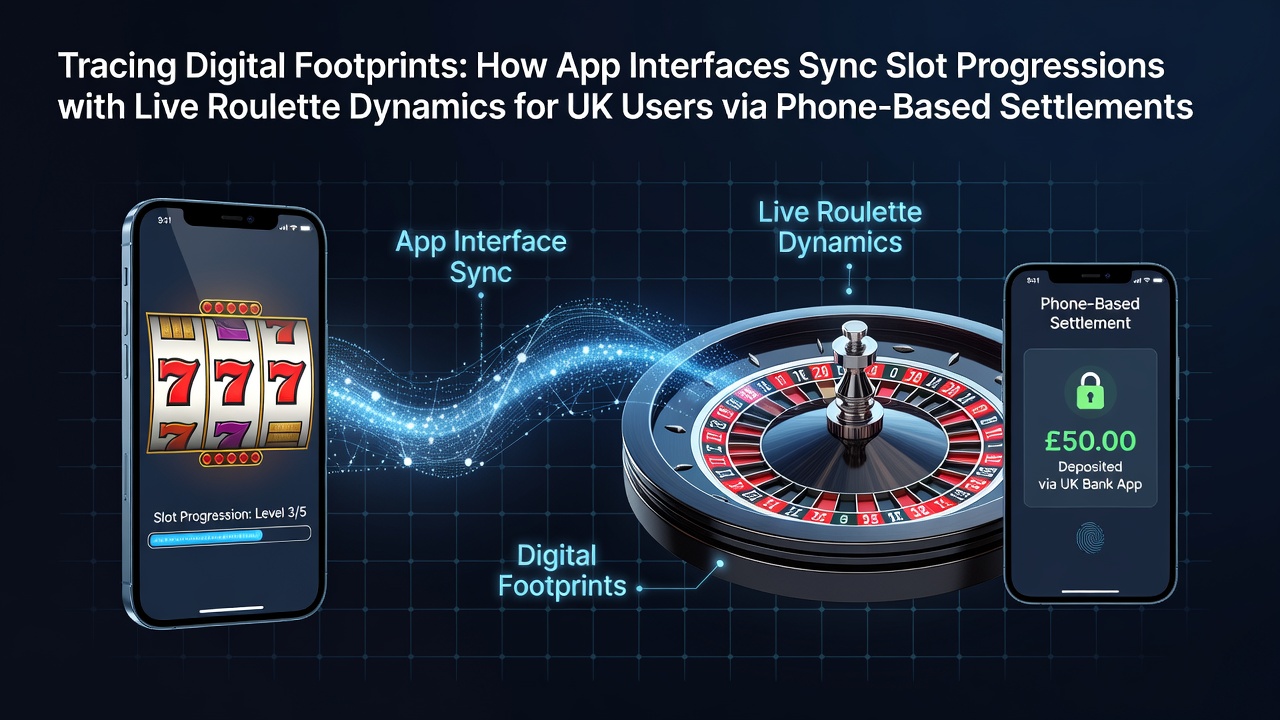
Tracing Digital Footprints: How App Interfaces Sync Slot Progressions with Live Roulette Dynamics for UK Users via Phone-Based Settlements
App interfaces in mobile gaming environments collect and transmit user data through multiple layers that include device identifiers, session tokens, and transaction logs. These elements form digital footprints that allow platforms to maintain continuity between slot game progressions and live roulette sessions. Slot progressions typically track metrics such as level advancements, bonus accumulations, and streak multipliers, while live roulette dynamics involve real-time bet histories, wheel outcomes, and dealer interactions. Synchronization occurs when backend servers receive updates from both game modules and merge them into unified player profiles. Developers achieve this integration through API calls that push incremental data points at fixed intervals. A slot spin that triggers a progression unlock sends a payload containing the updated state, and the same account identifier links this information to an active roulette table where the player might place corresponding bets. Phone-based settlements add another data stream because carrier billing systems record the transaction time, amount, and originating phone number. This creates an additional footprint that platforms cross-reference against device and IP data to verify session legitimacy.Mechanisms of Data Synchronization Across Game Types
Observers note that app interfaces rely on persistent storage methods such as local databases and cloud-synced variables to keep slot progressions aligned with roulette activities. When a user advances through slot levels, the interface generates event logs that include timestamps and outcome sequences. These logs travel to central servers where algorithms match them against roulette table states, ensuring that any shared loyalty rewards or dynamic multipliers apply consistently. Researchers at institutions studying mobile transaction systems have documented how these processes reduce latency by batching updates every few seconds during active play periods.
Phone settlements introduce distinct identifiers because the billing request passes through the mobile network operator before reaching the gaming platform. The resulting record contains the MSISDN along with authorization tokens, which platforms then associate with the player's ongoing game data. This linkage enables features where slot achievements influence available roulette betting options without requiring separate logins. Data shows that such integrations depend on encrypted channels to prevent interception while maintaining audit trails for each settlement event.Role of Carrier Billing in Footprint Formation
Carrier billing operates by routing charges through the user's mobile account rather than traditional payment gateways, and this method generates footprints that include network-level metadata. Each transaction creates entries that platforms match to game session IDs, allowing them to trace how slot progressions translate into roulette participation. For instance, a completed phone settlement for slot credits can immediately unlock enhanced roulette features because the backend system recognizes the billing confirmation as proof of account activity. Industry reports from the GSMA highlight how mobile network operators supply these standardized billing APIs that gaming applications incorporate for frictionless top-ups.
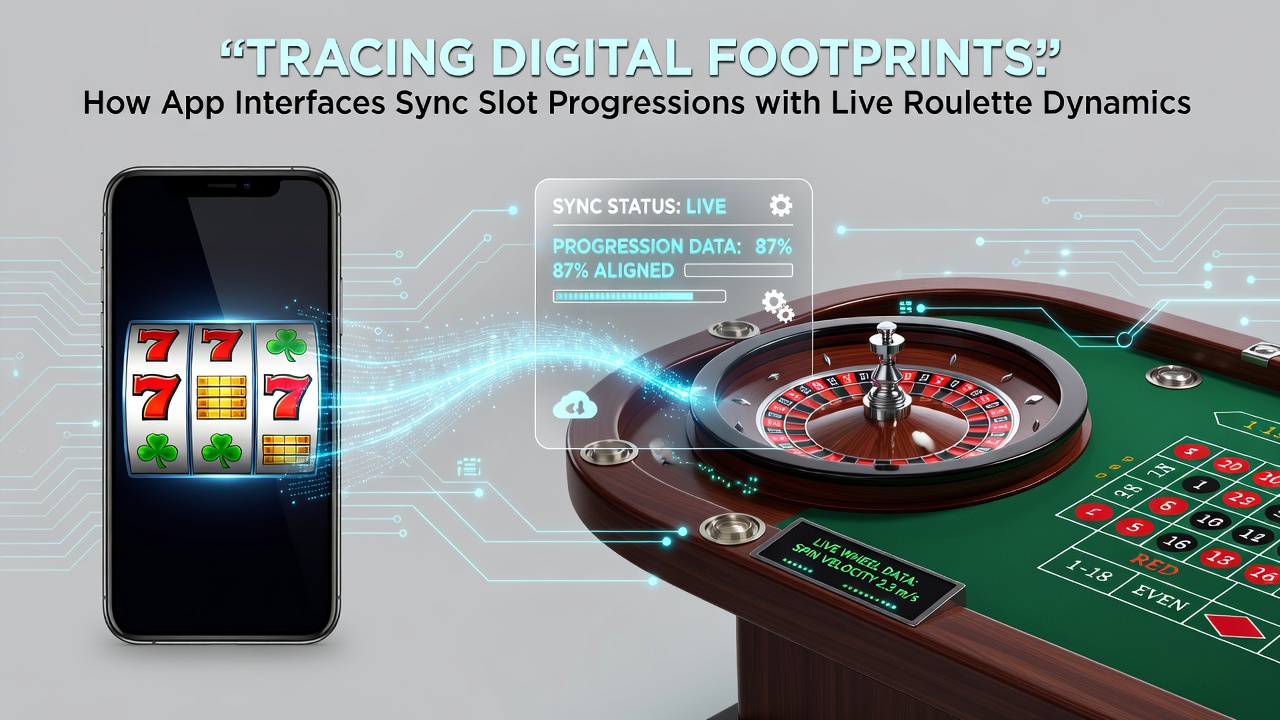 In June 2026, several mobile operators across Europe expanded their billing APIs to support higher-frequency microtransactions, which further refined the granularity of footprints available for synchronization purposes. These updates allowed platforms to log not only the settlement amount but also the precise moment a user switched between slot and roulette modules. The result appears in unified dashboards where progression bars from slots display alongside roulette statistics derived from the same billing-initiated session.
Technical Elements Supporting UK User Sessions
UK users interact with these systems through apps that embed device fingerprinting techniques alongside carrier billing flows. Fingerprinting collects attributes such as screen resolution, operating system version, and sensor data to create a unique profile that persists across game types. When a slot progression event occurs, the fingerprint travels with the data packet, and servers use it to locate the corresponding roulette table state without interruption. This approach maintains continuity even if network conditions change during a phone settlement process.
External analyses from academic sources indicate that these fingerprinting methods improve accuracy in matching slot and roulette data streams while complying with broader data handling frameworks. Platforms store the combined footprints in segmented databases that separate gameplay metrics from billing details, yet retain cross-references for real-time syncing. Such structures enable features where a user's accumulated slot streaks directly affect roulette payout multipliers, all triggered by the initial carrier billing authorization.Conclusion
The interplay between app interfaces, slot progressions, live roulette dynamics, and phone-based settlements produces traceable digital footprints that platforms manage through coordinated data exchanges. Synchronization relies on API integrations, device identifiers, and billing metadata to deliver consistent experiences for users. As mobile networks continue to refine their transaction capabilities, these mechanisms will likely incorporate additional data points while preserving the core linkages between game modules. Research indicates that the technical foundations remain centered on secure, timestamped records that connect each element of the user journey across slot and roulette environments.